
DTF vs DTG Printing: Which Method Is Better?
What is DTG printing?
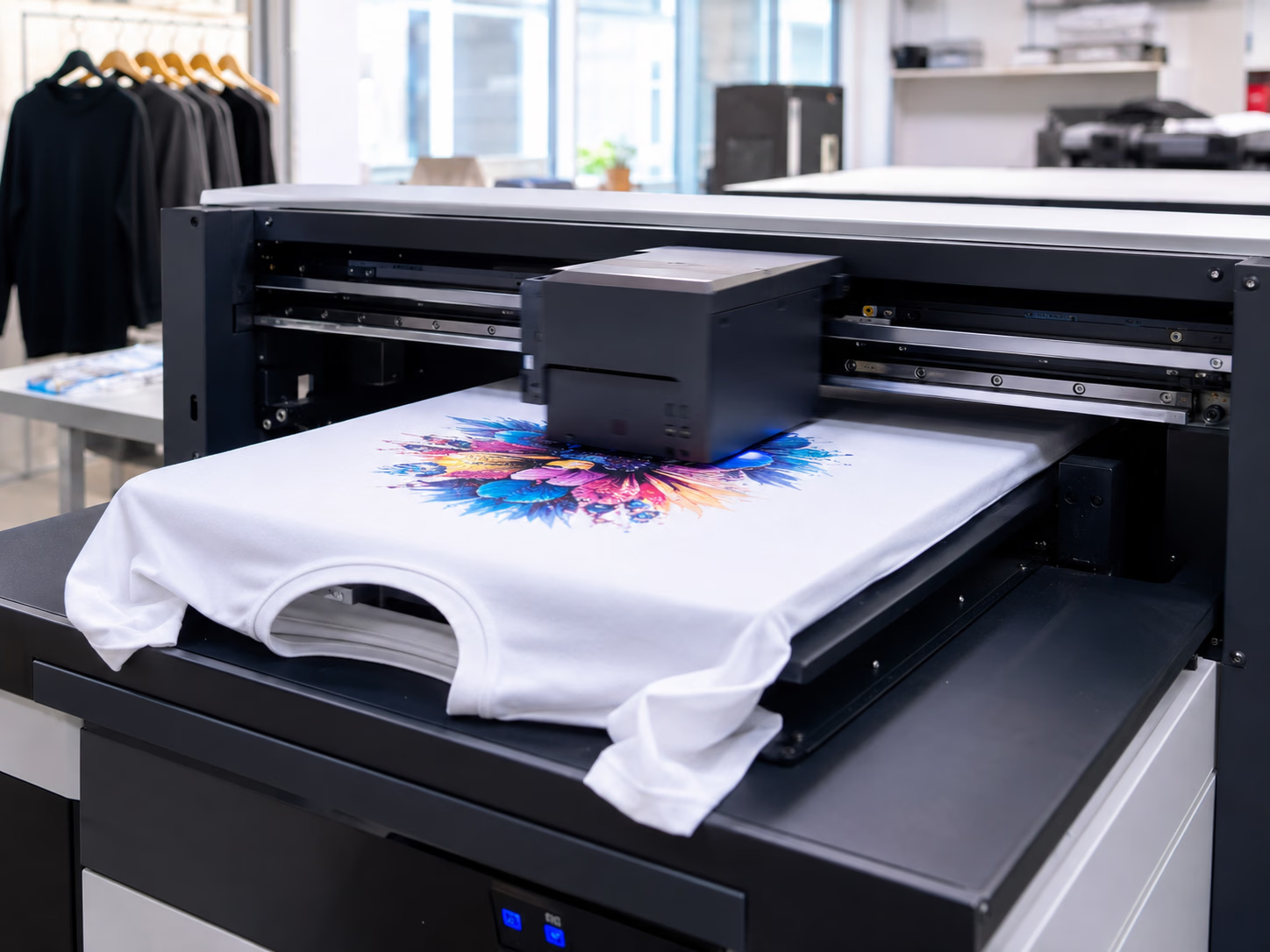
DTG stands for direct to garment: an inkjet printer sprays water-based ink straight into the fibers of the shirt, much like a desktop printer prints onto paper. Because the ink soaks into the fabric rather than sitting on top, DTG prints have a famously soft hand feel.
The trade-offs come from how that ink bonds. DTG works best on 100% cotton, and dark garments usually need a pretreatment liquid applied and dried before printing so the white ink underbase has something to grip. Pretreatment adds a step, can leave visible marks or boxes on some garments, and the printers themselves are a serious investment for a small shop.
DTF: printed on film, pressed onto almost anything
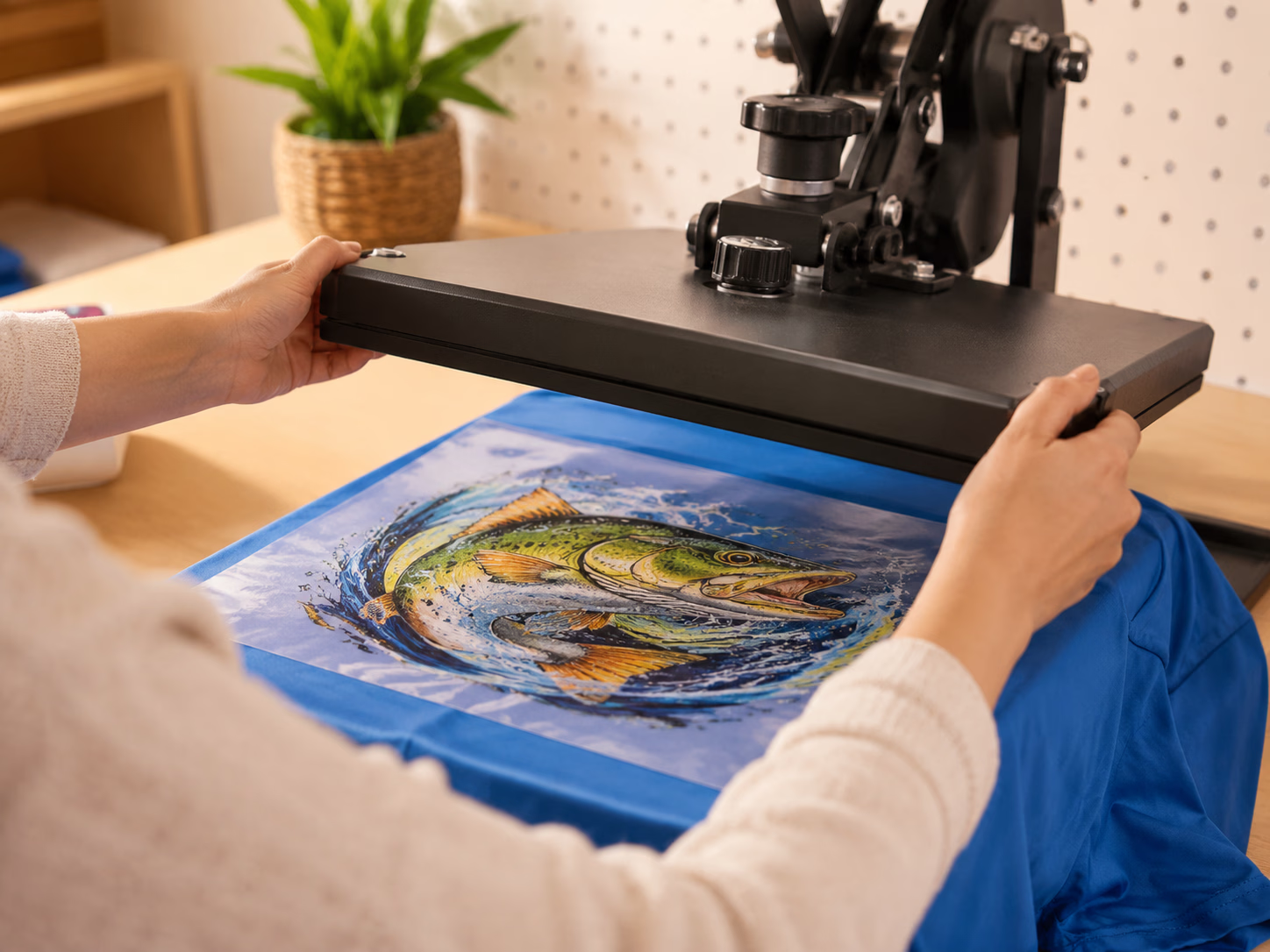
DTF (direct to film) prints the design onto PET film in full color with a white underbase, coats it with hot-melt adhesive powder and cures it. You then press the finished DTF transfer onto the garment with a heat press: position, press, peel. There is no pretreatment, no cutting and no weeding.
Because the adhesive bonds to the fabric surface rather than soaking into cotton fibers, DTF is not picky about material. Cotton, polyester, blends, light or dark, it all takes the same transfer. New to the method? Start with what DTF printing is.
Fabric compatibility: the real difference
Fabric range is where this comparison is genuinely decided, so here it is side by side:
| Fabric | DTF | DTG |
|---|---|---|
| 100% cotton | Yes | Yes, its best surface |
| Cotton blends | Yes | Often, results vary with cotton content |
| 100% polyester | Yes | Generally poor, ink struggles to bond |
| Dark garments | Yes, built-in white underbase | Yes, but needs pretreatment first |
| Nylon, canvas, denim | Yes | Usually not recommended |
The short version: if you only ever print on 100% cotton, both methods work. The moment polyester, blends or mixed garment types enter your catalog, DTF is the method that says yes to all of them.
Where DTG genuinely wins
- Hand feel on cotton: the ink soaks into the fibers, so a DTG print on a quality cotton tee is about as soft as a print gets.
- Large soft-feel prints: big coverage areas stay breathable because there is no film layer on top of the fabric.
- Shops that already own the printer: if the equipment and pretreatment workflow are in place and the catalog is all cotton, DTG runs well.
That is a real but narrow lane: premium cotton garments, printed by someone who has already absorbed the equipment cost.
Where DTF wins
- Any fabric and any color: cotton, polyester, blends, light or dark, all with the built-in white underbase and no pretreatment.
- No equipment beyond a heat press: order transfers and press them. There is no printer to buy, maintain or keep inked.
- Durability: 50+ washes without cracking or fading when applied correctly.
- Small orders and one-offs: no minimum order, with every file human-checked before printing, shipped in 1-2 business days from our Kentucky facility.
- Detail and color: photographic detail, gradients and small text print with no color limits.
Pricing is flat per print, with no setup. Size your designs in the DTF price calculator or pack a full order onto one gang sheet.
What about screen printing?
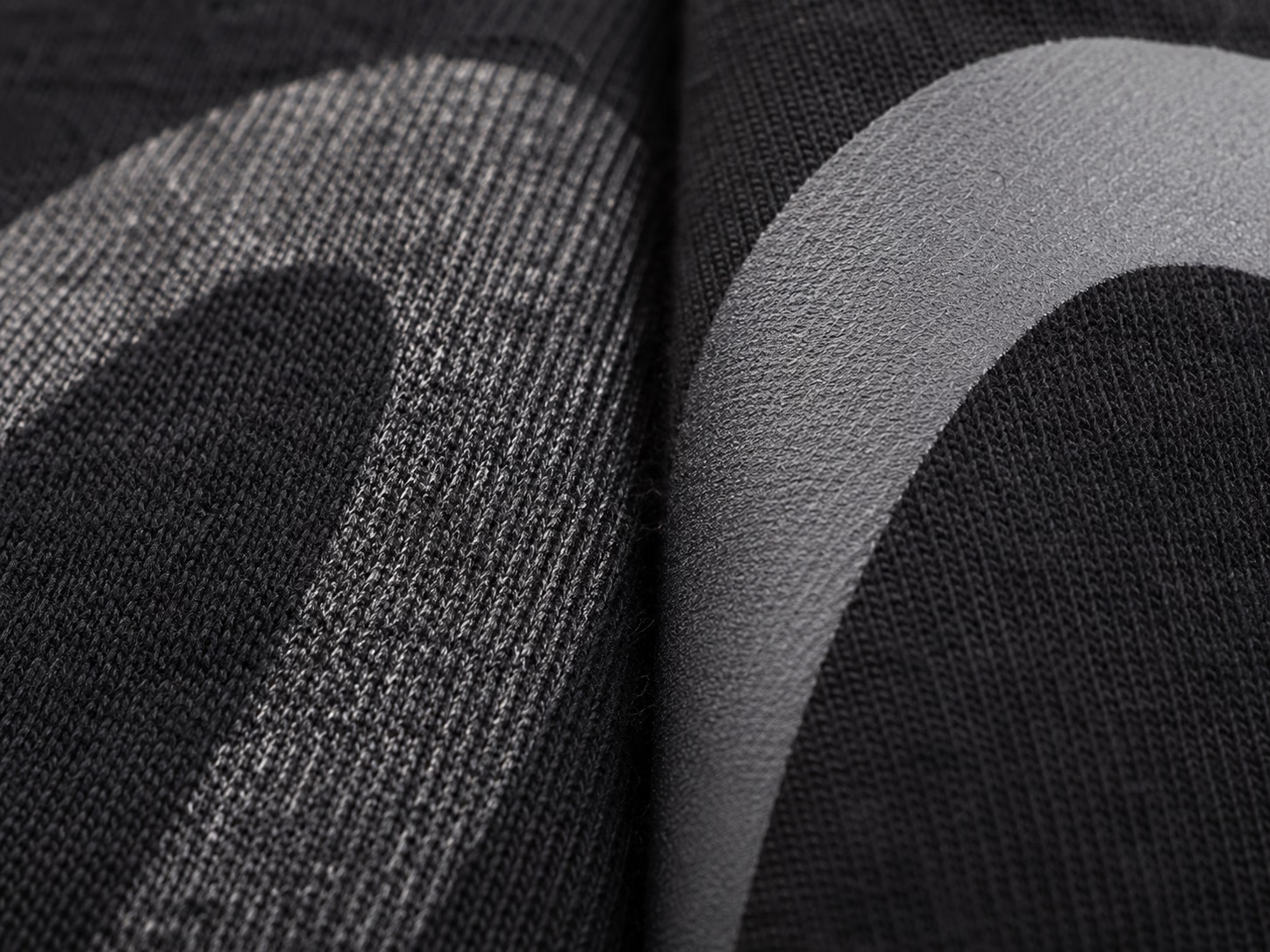
DTG and DTF are both digital, so neither needs screens or per-color setup, and both handle full color and small runs that screen printing cannot touch economically. Screen printing still wins on very long runs of one simple design, where the screen setup is spread across hundreds of identical shirts.
We keep that comparison short here because it has its own deep dive: see DTF vs screen printing for the full cost crossover breakdown, or the wider guide to the types of t-shirt printing for all seven methods side by side.
Which is better for starting a business?
For most people starting out, DTF by a wide margin, because of what you do not have to buy. A DTG setup means the printer itself, pretreatment equipment and ongoing maintenance, all before the first sale. With DTF transfers, the only hardware is a heat press: you upload designs, we print them in the USA, and you press as orders come in.
That keeps startup cost low and removes the riskiest part (owning an industrial printer) until your volume justifies it. Our guides on starting a t-shirt business from home with DTF and the best DTF printer for a small business cover both paths: ordering transfers first, and buying equipment later if the numbers support it.