
Best DTF Printer for Small Business (and When Not to Buy)
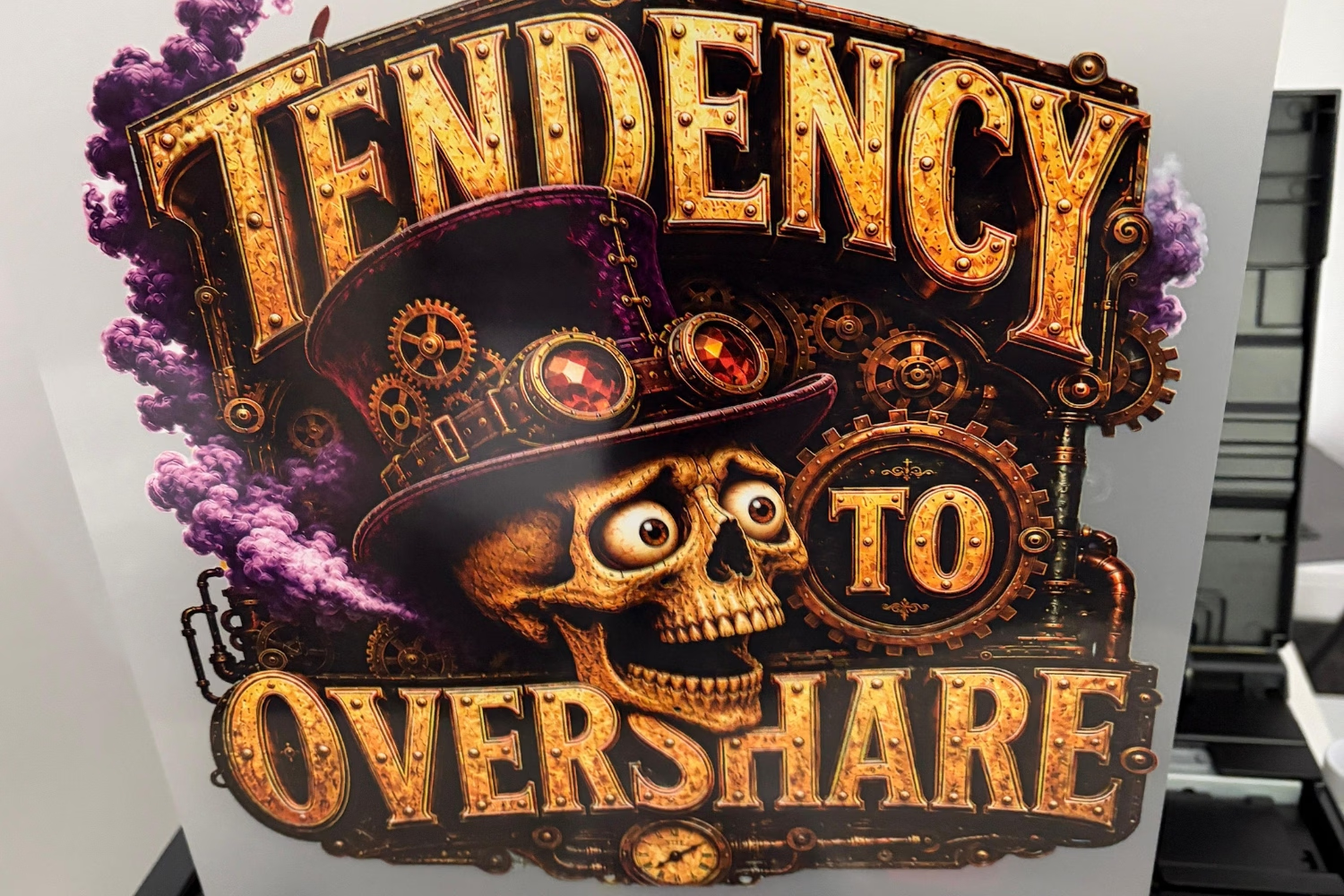
What a DTF printer setup really includes
Prefer to start with a quick overview? This short video covers what choosing and running a DTF printer actually involves, then the full written breakdown follows.
What a home DTF printer looks like
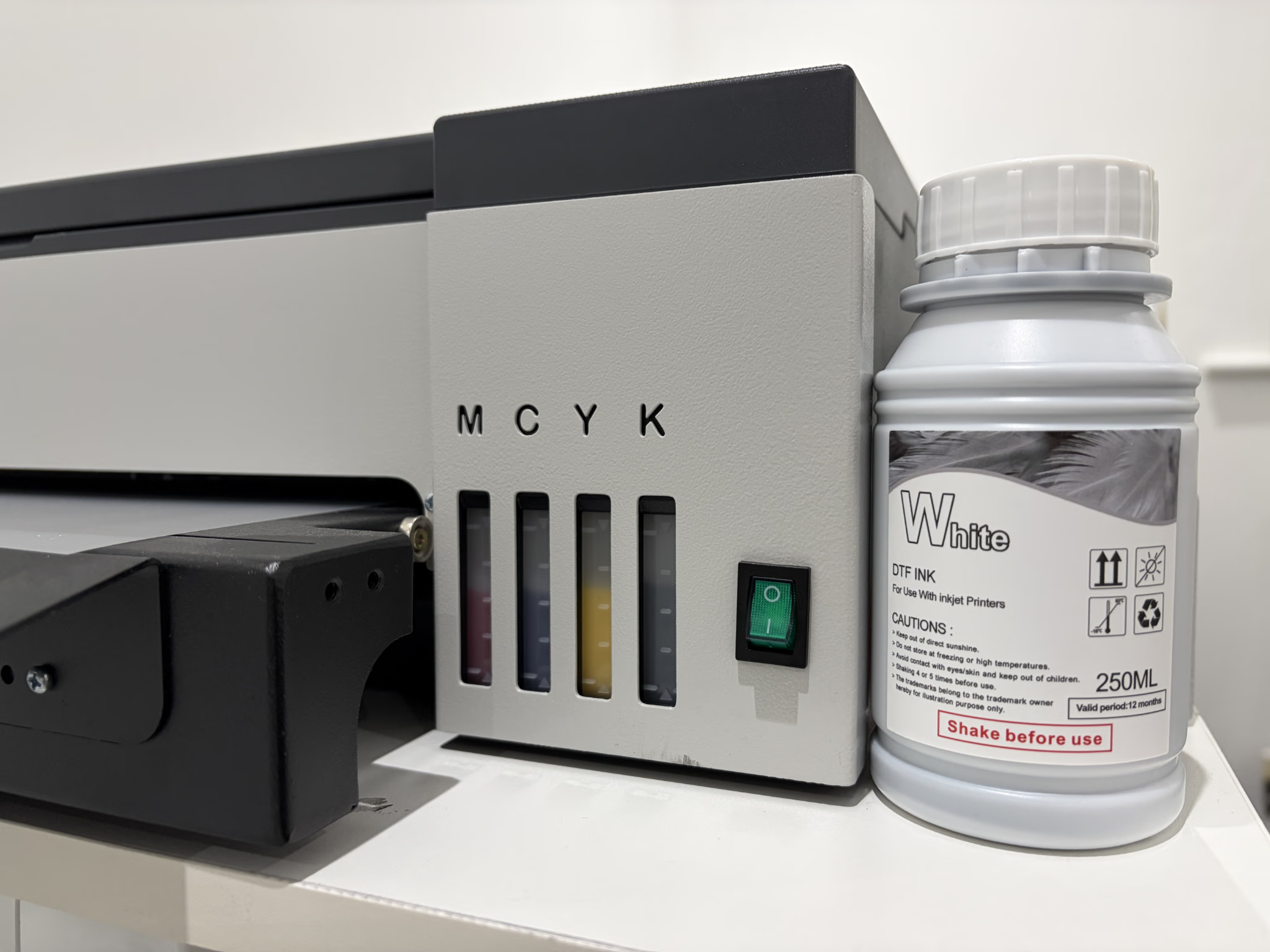
The printer is the headline, but it is not the whole purchase. A working DTF setup for a small business means:
- The printer itself, with white and CMYK ink channels.
- A curing setup: a curing oven or heat station to melt the adhesive powder, plus a powder application station (automatic shakers exist at the production end; entry setups often powder by hand).
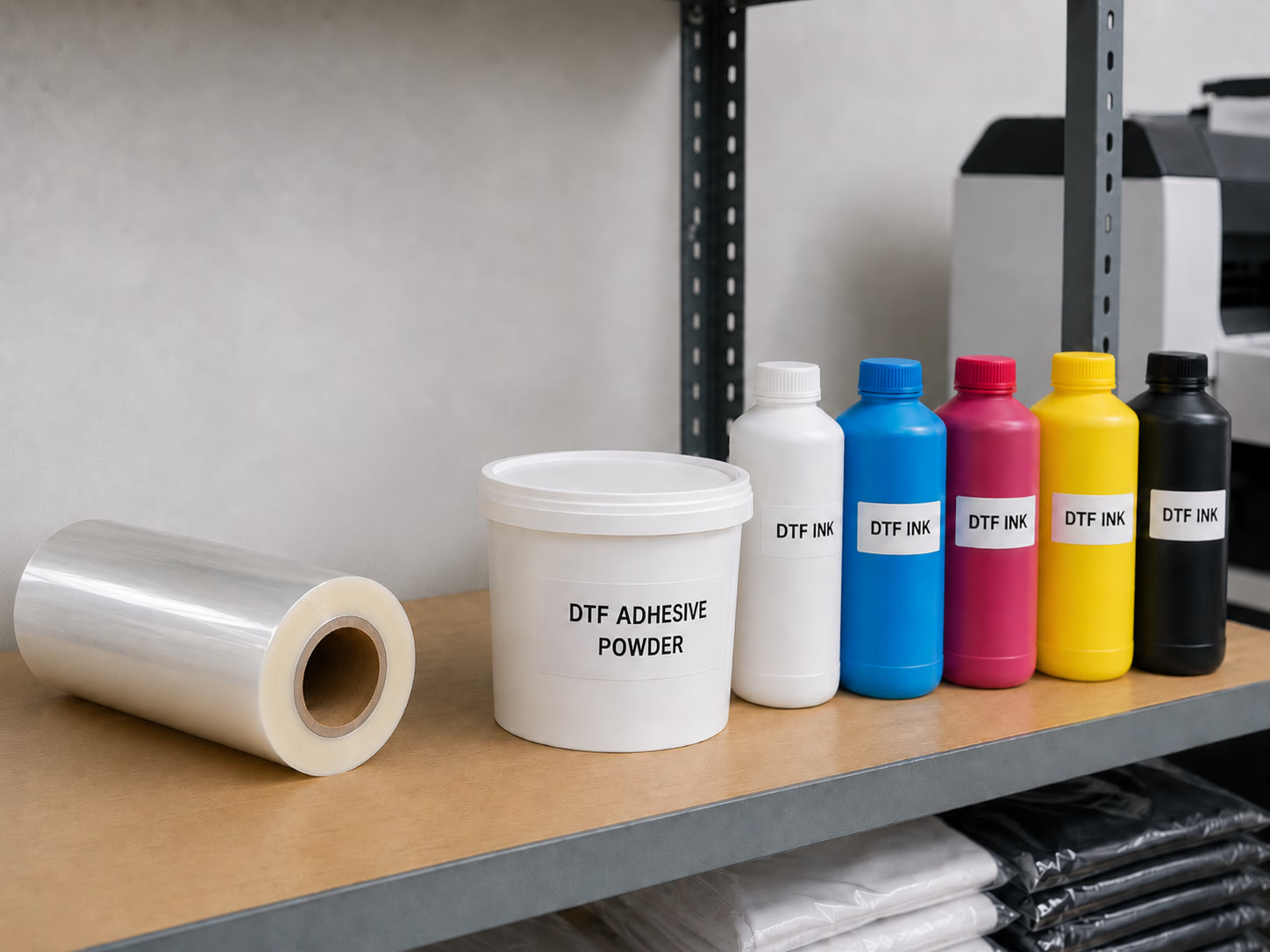
- Consumables: white and color inks, PET film, and hot-melt adhesive powder, all of which you buy again every month you print.
- RIP software to control the white underbase and color output.
- Space and ventilation: curing powder produces fumes, so this is not a kitchen-table appliance.
- A daily maintenance routine: white ink settles and clogs print heads, so DTF printers need head cleaning and circulation even on days you sell nothing.
If you want the full picture of what happens between file and finished transfer, our guide on how DTF transfers are made walks through the whole process.
The real cost breakdown
Specific models and prices change too fast to print here, so think in categories and ranges. This is the honest shape of the spend:
| Cost area | What it covers | What to expect |
|---|---|---|
| Printer and curing setup | Entry DTF printer, curing oven or station, RIP software | Roughly $2,000-$5,000 for a reliable entry setup |
| Consumables | White and CMYK inks, PET film, adhesive powder | An ongoing cost on every print; white ink is usually the biggest line |
| Maintenance | Daily head cleaning, capping station care, replacement parts | Cleaning cycles consume ink even on days with no orders |
| Time | Daily upkeep, color profiling, reprinting failed prints | Plan for it every working day; white ink settles when the machine sits idle |
The pattern that surprises new owners is the last two rows. A DTF printer is closer to a pet than a tool: it needs attention daily whether or not it earned anything that day, and skipped maintenance shows up later as clogged heads, wasted film and downtime.
When buying a printer makes sense
Ownership starts to pay off when the machine works most days. The signals that you are ready:
- Steady weekly order volume, not occasional spikes. Consistent printing keeps white ink moving and spreads the fixed costs across real revenue.
- You print most days anyway. An idle DTF printer still needs cleaning; a busy one turns that maintenance into part of a profitable routine.
- Turnaround control matters to your niche. Same-day local jobs and constant design experimentation favor in-house printing.
- You have the space, ventilation and appetite for maintenance, or staff who do.
If you read that list and feel a comfortable yes on every line, buying is a rational next step for your shop. If any line gave you pause, run the math in the next section first.
When ordering transfers wins: the break-even math
Here is the worksheet, and it only needs four numbers. Take your realistic monthly shirt volume, then compare:
- Cost per shirt when ordering: the price of a ready-to-press transfer at your design size. With no minimum order, this is the same whether you sell three shirts or three hundred.
- Cost per shirt when owning: consumables for each print, plus the printer and curing setup spread over its working life, plus maintenance ink and parts, plus the value of your daily upkeep time, all divided by your real monthly volume.
At low volume, the ownership side of that equation gets ugly fast, because the fixed costs and the daily maintenance divide across only a handful of shirts. Failed prints and clogged-head downtime land entirely on you. When you order transfers instead, every one of those risks belongs to someone else: we print, human-check every file, and ship in 1-2 business days from our Kentucky facility.
Many shops land on a hybrid: order custom transfers or bundle packs while demand is finding its level, and revisit ownership when order volume makes the math undeniable. If you are still building the business itself, our guide to starting a profitable t-shirt business from home with DTF transfers covers that path end to end.
Financing and rent-to-own: what to watch
Financing and rent-to-own offers make the entry price feel painless, and that is exactly why they deserve a careful read:
- Payments continue when the printer sits idle. A slow month does not pause the agreement, but it does pause the revenue that justifies it.
- Total the full term, not the monthly figure. Rent-to-own arrangements typically cost meaningfully more over the term than buying outright; know that number before signing.
- Check what maintenance and warranty actually cover. Print heads are the expensive, failure-prone part; find out who pays when one goes.
- Consumables are never included. Ink, film and powder sit on top of every payment.
- Ask about exit terms. If volume does not materialize, what does ending the agreement cost?
Financing is not a trap by definition; it is a multiplier. It makes a good volume story better and a weak one worse, which is one more reason to do the break-even math first.
Beginner-friendly criteria (no model names needed)
Models change every season; the criteria do not. If the math says buy, judge any candidate printer on these:
- Serviceability: can you reach the print head, capping station and ink lines yourself for daily care?
- Parts and support: are replacement heads and parts actually available where you live, with support in your time zone?
- An established user community: active owner groups mean fixes for problems you have not hit yet.
- White ink management: circulation or agitation built in, not left to you and a shake schedule.
- RIP software quality: the software controls your white underbase and color; clunky RIP, clunky everything.
- Honest throughput claims: rated speed is achieved under ideal conditions; ask owners what a real hour produces.
- A footprint your space can hold, including ventilation for curing.
Entry-class machines trade speed for price and suit a shop printing steadily but not constantly. Production-class machines with multiple print heads print faster and cost more to buy and maintain; they make sense only when sustained volume is already proven, not as a bet that it will arrive.