
Screen Print Transfers vs DTF: Which Should You Order?
What are screen print transfers?
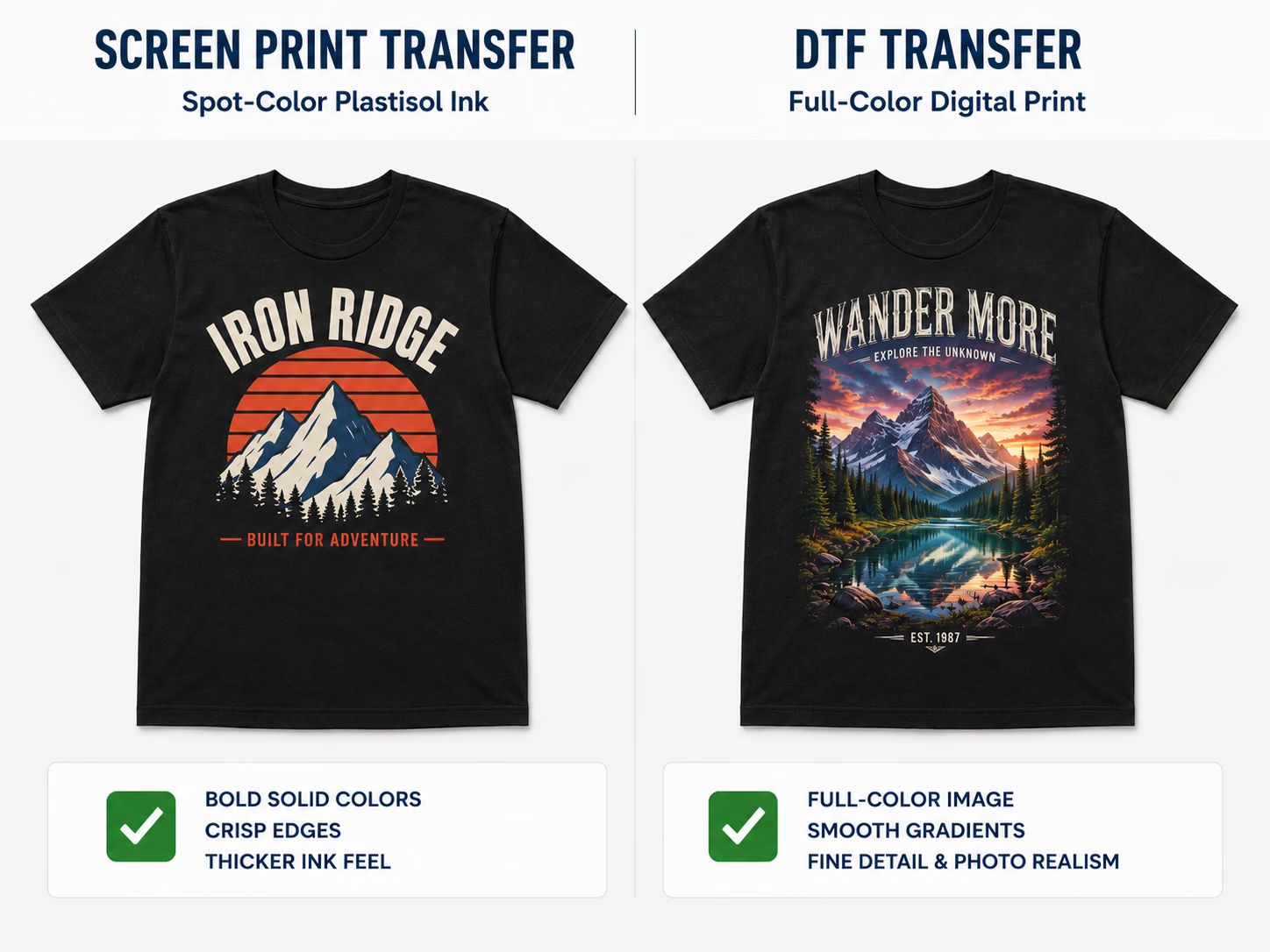
Screen print transfers are designs screen printed with plastisol ink onto release paper instead of directly onto a garment. A screen is prepared for each color in the design, the ink is printed onto the paper, and the finished transfer is later applied to the garment with a heat press. The result looks and feels like a traditional screen print, because it is one, just applied in two stages.
Because every color needs its own screen, screen print transfers suit designs with a few solid spot colors, and the setup cost is spread across the size of the run. That is why suppliers typically sell them in quantity and why one-off orders are rare.
The DTF alternative: full color with no screens
DTF transfers are printed digitally onto PET film in full color with a white underbase, coated with a hot-melt adhesive powder, and cured. There are no screens and no per-color setup, so a photograph, a gradient or a one-off name costs the same to print as a simple logo. You press them onto the garment the same way: position, press, peel.
Want the deeper explanation of the process? See what DTF printing is and how DTF transfers are made.
Screen print transfers vs DTF: side by side
| Screen print transfers | DTF transfers | |
|---|---|---|
| Colors | Spot colors, one screen per color | Full color, photos and gradients included |
| Setup | Screens prepared per design and color | None, printed straight from your file |
| Minimums | Usually sold in quantity | No minimum order, from a single transfer |
| Fine detail | Good for bold shapes and text | Holds small text, thin lines and photo detail |
| Feel | Classic ink layer, can be heavier on big solids | Thin, flexible layer that stretches with the fabric |
| Durability | Very durable when applied correctly | 50+ washes without cracking when applied correctly |
| Best for | Large runs of one simple design | Small to mid runs, mixed designs, full color work |
Which is cheaper?
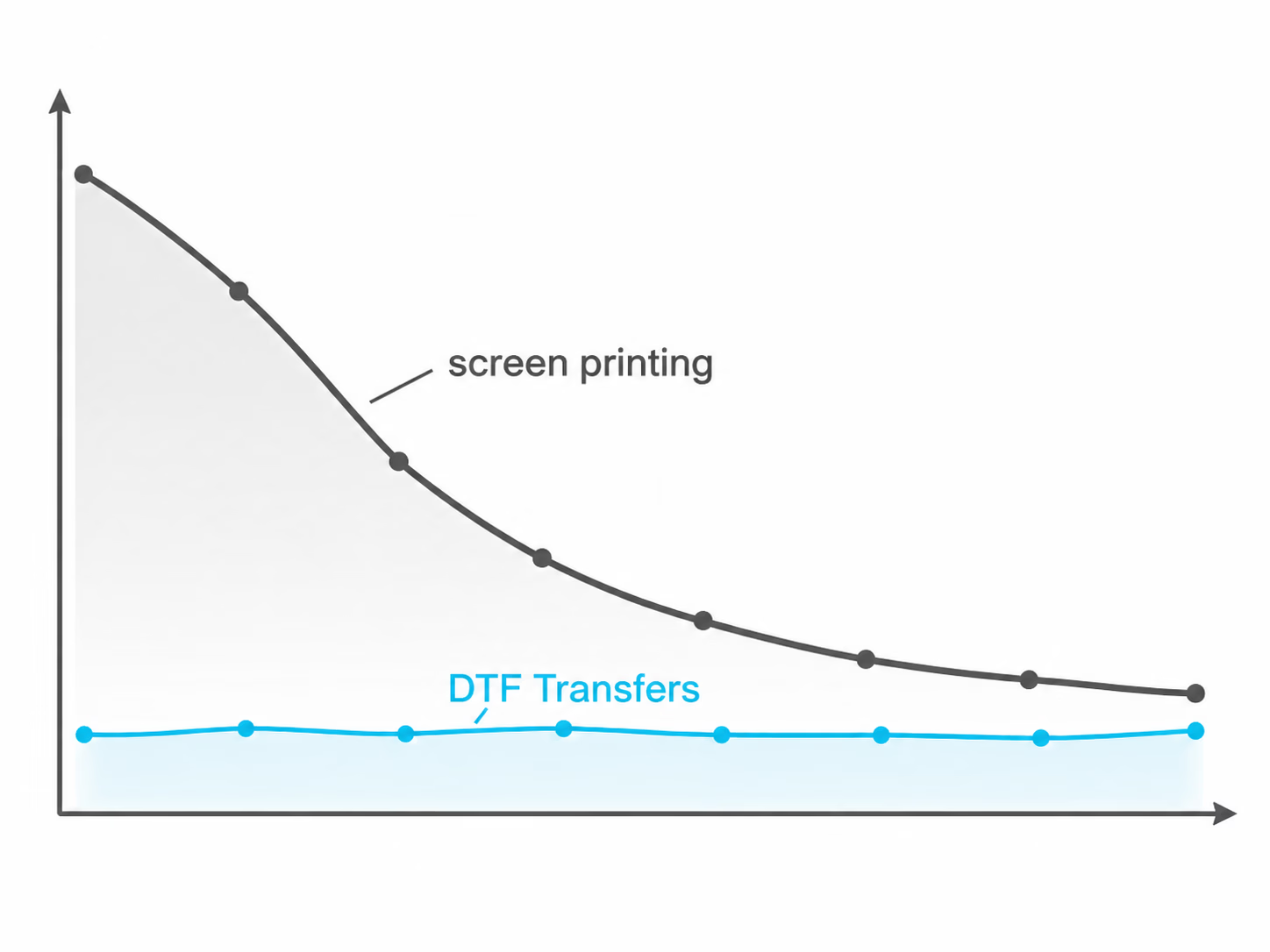
It depends almost entirely on quantity and color count. Screen print transfers carry a setup cost for the screens, so the per-piece price falls as the run gets longer. A single-color design ordered in the hundreds is where they are most economical.
DTF has no setup cost, so the price is the same whether you order one transfer or one hundred, and adding more colors costs nothing extra. For small and mid-size runs, mixed designs, or anything full color, DTF is usually the cheaper route. You can price your exact design sizes in seconds with our DTF price calculator, and pack multiple designs onto one sheet with a gang sheet to bring the per-design cost down further.
When screen print transfers are the right call
- Long runs of one design: hundreds of identical shirts with one or two spot colors.
- That classic screen print look: a solid, opaque ink layer with crisp spot color.
- Established designs that never change: the screen setup pays for itself over reorders.
When DTF is the right call
- Full color and photographic designs: gradients, photos and detailed artwork print with no color limits.
- Small quantities and one-offs: no minimum order, so a single custom shirt is practical.
- Mixed designs in one order: gang different designs and sizes onto one sheet.
- Any fabric and color: the built-in white layer keeps designs vivid on dark cotton, polyester and blends.
- Fast turnaround: our transfers are printed in the USA and ship in 1-2 business days.
For the wider method-vs-method decision (printing directly versus transfers in general), see DTF vs screen printing and the main types of t-shirt printing.
Can you press both the same way?
Broadly yes: both are applied with a heat press using firm pressure, then peeled. The exact temperature, time and peel (hot or cold) vary by supplier and film, so always follow the instructions that come with your transfers. For DTF, our full how to apply DTF transfers guide covers the settings we recommend, including cotton and polyester figures.