
Can You Use UV DTF on T-Shirts?
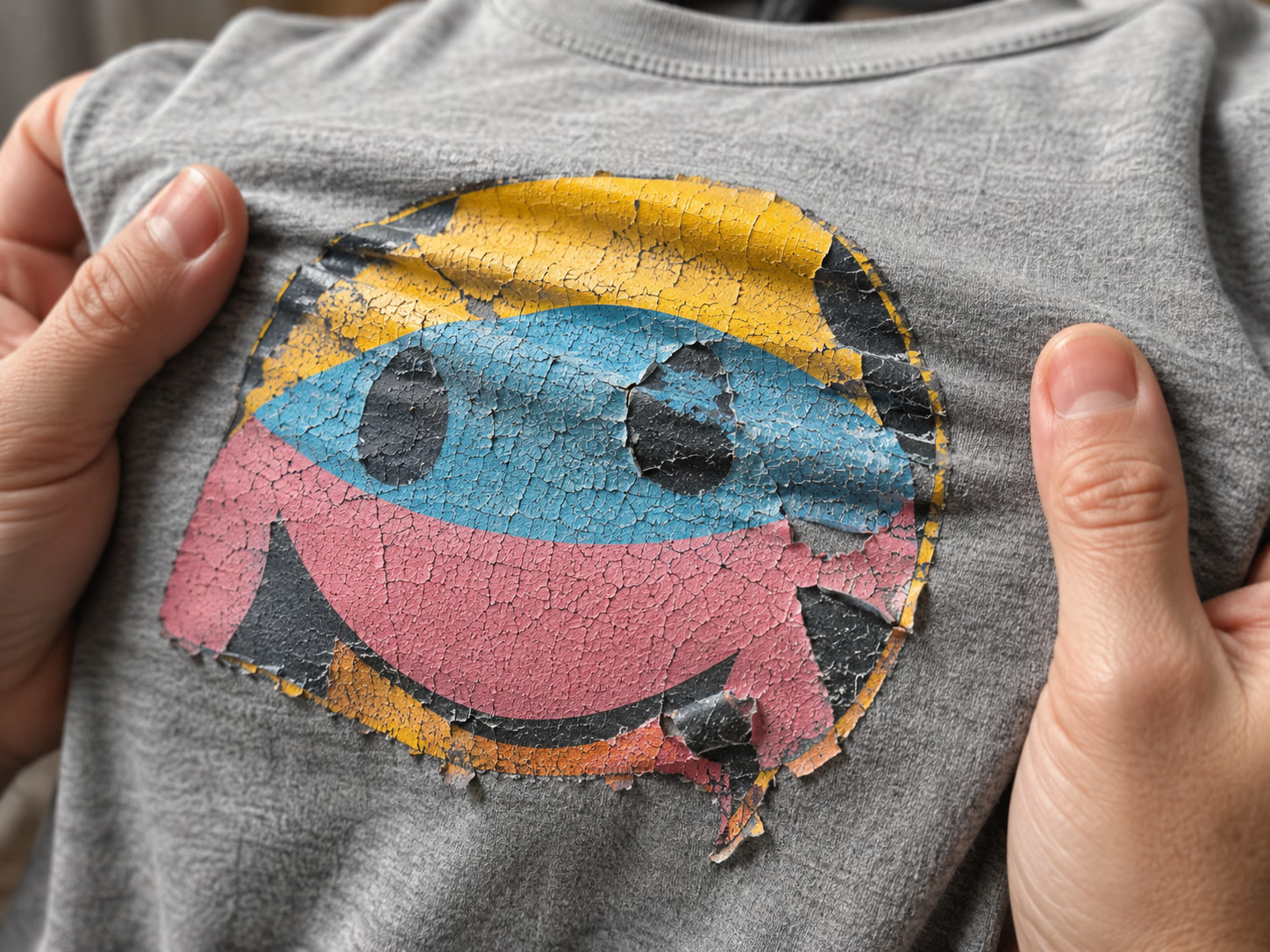
The short answer: no
No, UV DTF does not work on shirts. It is made for hard, non-porous surfaces like glass, metal, ceramic and plastic. On fabric it cracks, peels and washes off. For shirts, use standard DTF transfers, which are made for fabric and rated for 50+ washes when applied correctly.
The confusion is understandable. The two products share most of a name, both arrive as designs on a film, and both come from the same print shops. But they are built for opposite jobs, and using one where the other belongs is the most common mistake we see new crafters make.
Why UV DTF fails on fabric
Three things doom a UV DTF decal on a shirt:
- The cured ink and laminate cannot stretch. UV-cured ink sealed under a laminate layer forms a rigid little panel. Fabric stretches and flexes every time you move, and the rigid decal answers by cracking.
- The adhesive needs a smooth, solid surface. UV DTF adhesive is pressure-sensitive: it grips flat, non-porous materials. A woven shirt is the opposite of that, all texture and air gaps, so the bond is weak from the first minute.
- Washing finishes the job. A washing machine adds agitation, water and detergent to a bond that was already failing. Whatever survived the first wear rarely survives the first wash.
None of this is a quality problem with the decal. A UV DTF transfer that would live happily on a glass tumbler for years simply has no way to hold onto a t-shirt.
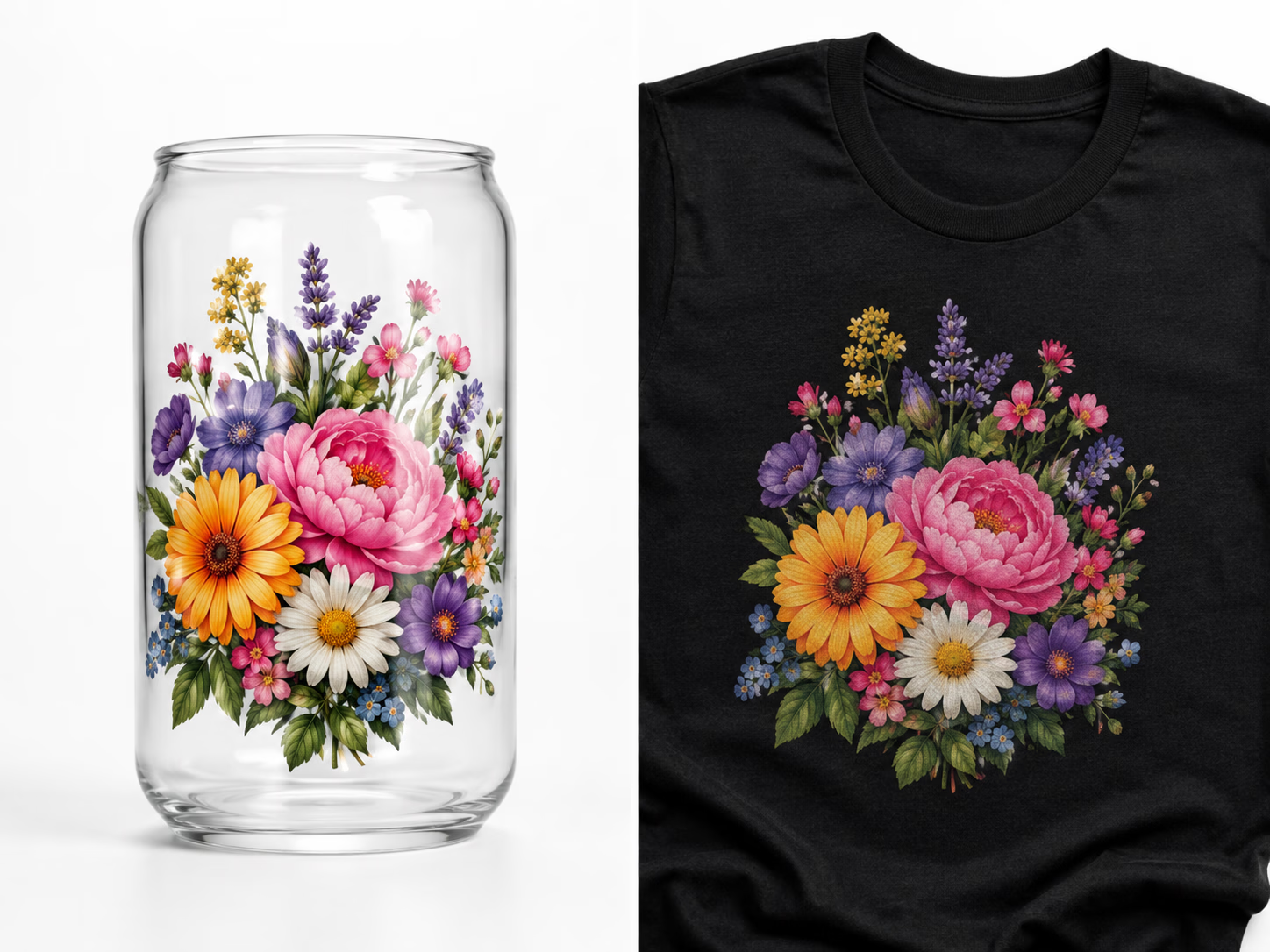
UV DTF vs regular DTF: which goes on what
| UV DTF | Standard DTF | |
|---|---|---|
| Made for | Hard, non-porous surfaces: glass, metal, ceramic, plastic, wood | Fabric: cotton, polyester, blends, any color |
| Application | Peel and stick, rub down, no heat press | Heat pressed into the fibers |
| How it bonds | Pressure-sensitive adhesive grips the surface | Hot-melt adhesive melts into the weave |
| Flexibility | Rigid cured ink under a laminate | Thin, flexible layer that stretches with the fabric |
| Washing | Best hand washed, not for machine-wash items | 50+ washes when applied correctly |
| On a shirt? | Cracks and peels | Exactly what it is made for |
| On a tumbler? | Exactly what it is made for | Will not bond to glass |
One sentence to remember: if it stretches or goes in a washing machine, use DTF; if it is hard and smooth, use UV DTF.
What to use on shirts instead
Standard DTF transfers are the fabric answer. The design is printed in full color with a built-in white underbase, so it stays vivid on any fabric and any color, dark cotton included. A heat press melts the adhesive into the fibers (around 320F (160C) for 15 seconds on cotton, with a cool peel), and the result is a thin, flexible print that stretches with the shirt and is rated for 50+ washes when applied correctly.
Press settings vary slightly by fabric, so follow our how to apply DTF transfers guide for the full numbers. New to the method entirely? Start with what DTF printing is. There is no minimum order, so testing a single shirt design costs you one transfer, not a batch.
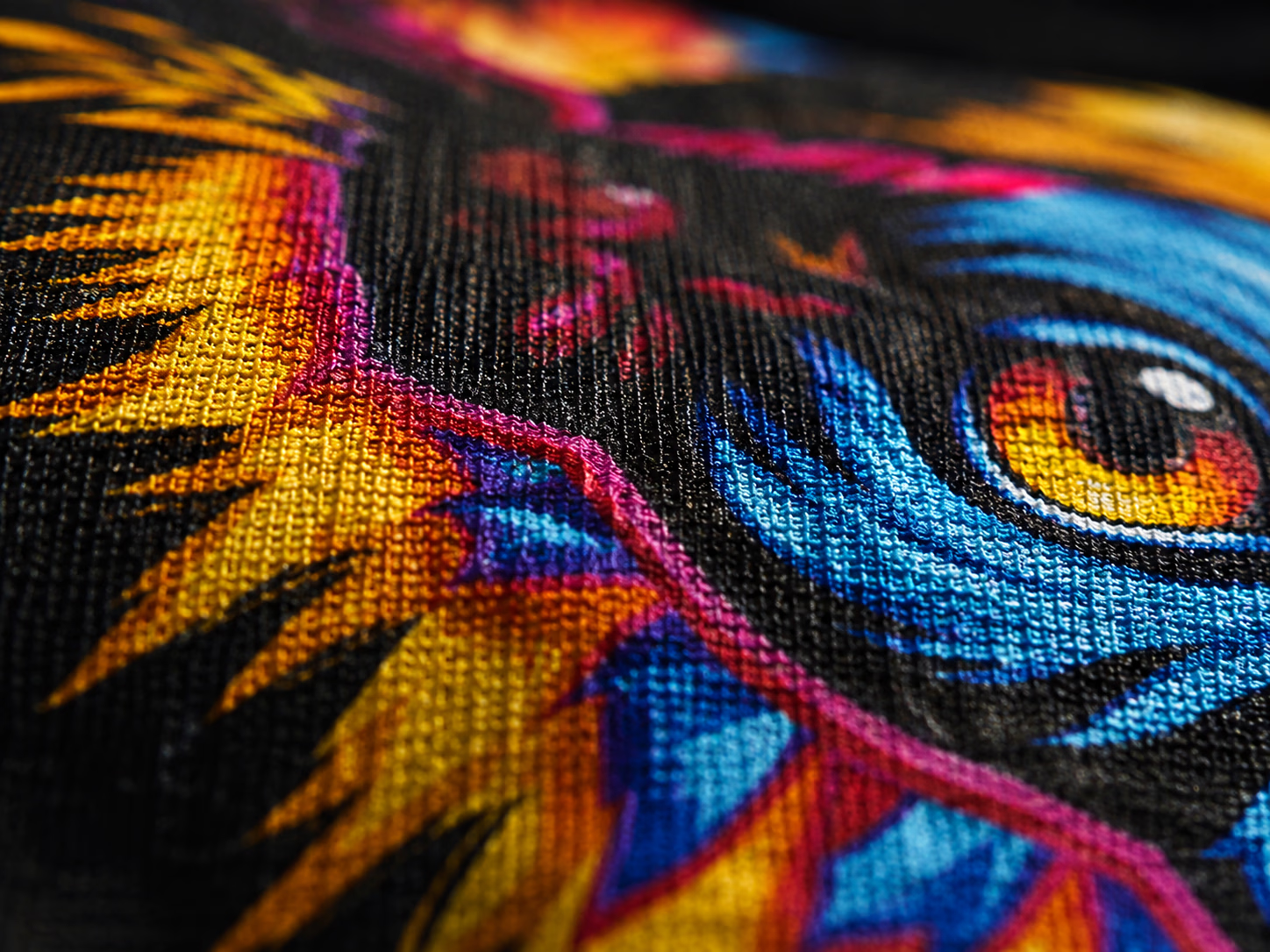
What UV DTF is brilliant at
Keep UV DTF on its home turf and it is a fantastic product. With no heat press, no cutting and no weeding, it turns hard-surface decorating into peel, stick and rub down:
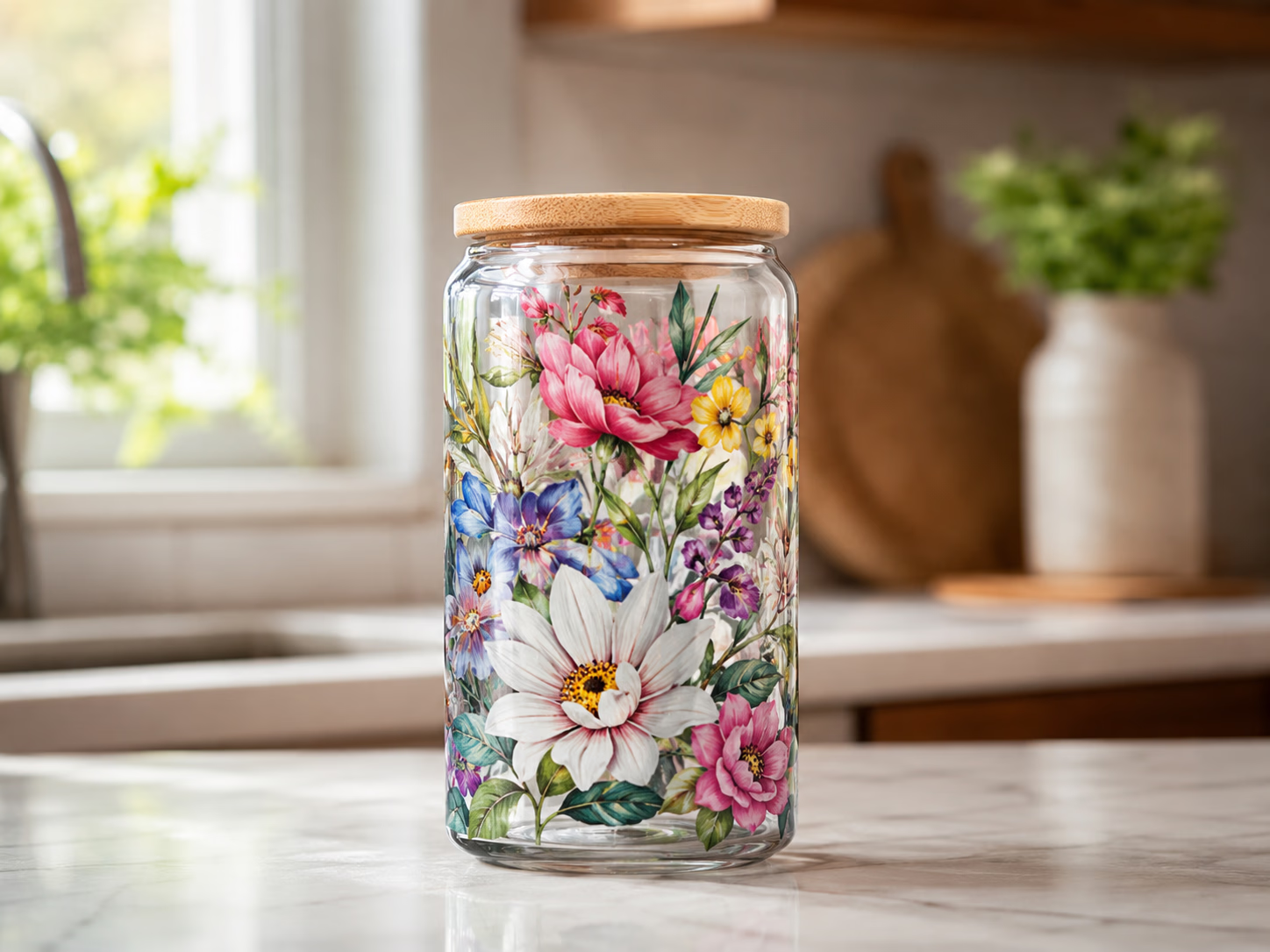
- Glass cans and tumblers: full wraps and decals, covered in our UV DTF cup wraps guide.
- Mugs, jars and candles: permanent, waterproof decoration on ceramic and glass.
- Metal, hard plastic and smooth wood: water bottles, organizers, signs and decor.
Our UV DTF stickers guide walks through the format in depth, and the intro to UV DTF transfers page covers the product range.
Tote bags, hats and other in-between items
Some items feel like they could go either way, so here is the test that settles it: does it flex, stretch or get machine washed? If yes, it is a fabric job.
- Canvas tote bags: fabric. Use DTF.
- Hats and caps: fabric. Use DTF.
- Hoodies, aprons, tea towels: fabric. Use DTF.
- Wooden signs, acrylic keychains, phone cases: hard and smooth. Use UV DTF.
- Glass, ceramic, stainless steel: hard and smooth. Use UV DTF.
Order both in one session if your project list is mixed: fabric designs as DTF transfers, hard-surface designs on a UV DTF gang sheet in the gang sheet builder.